The Role of the Wakizashi in Samurai Warfare: Complementary Sword to the Katana
Historical records indicate that during the Edo period, the daisho set—the pairing of a katana and a wakizashi—became the definitive symbol of a samurai's rank. Approximately 80% of samurai households owned at least one wakizashi, a testament to its indispensable role beyond the battlefield. While the katana captures the popular imagination, the wakizashi was no mere accessory. Its 12 to 24-inch blade filled a critical niche in warfare that the longer katana could not. The wakizashi's versatility made it the samurai's constant companion, worn even in areas where the katana was forbidden, such as inside castles or during peaceful negotiations.
Key Takeaways
- The wakizashi was the samurai's constant companion, worn even in areas where the katana was forbidden.
- In close-quarters combat, the wakizashi's shorter blade offered superior maneuverability compared to the katana.
- The wakizashi served as a backup weapon, a tool for ritual suicide (seppuku), and a symbol of status.
- Traditional wakizashi craftsmanship differs from katana due to differing dimensions and intended use.
- Collectors value wakizashi for their historical authenticity and the unique forging techniques used in their production.
The Wakizashi vs. Katana: Complementary Roles on the Battlefield
The primary battlefield role of the wakizashi was not to replace the katana but to complement it. Samurai typically carried both swords thrust through their obi (belt) with the edge up, allowing a fast draw. The katana was the primary offensive weapon for open-field combat, but the wakizashi excelled where space was limited. Its shorter blade allowed for quicker draws and more controlled strikes in tight formations. Historical battle manuals from the Katori Shinto-ryu school emphasize that the wakizashi was the preferred weapon for grappling and countering armored opponents at close range. For a collector, understanding this dynamic helps appreciate why a wakizashi is not just a smaller katana but a distinct tool designed for specific scenarios. This is often where traditional samurai wakizashi proves its value in practice.
Blade Length and Reach: When the Wakizashi Holds the Advantage
A typical katana blade measures about 27-30 inches, while the wakizashi ranges from 12 to 24 inches. This difference in length gives the wakizashi a shorter effective reach but a faster recovery time. In a situation where a samurai found himself unseated from his horse or fighting in a narrow alley, the wakizashi's compactness became a decisive factor. For example, a samurai could draw the wakizashi in one fluid motion to parry a thrust and counter with a cut to the opponent's legs—a technique less feasible with the longer katana due to its slower return to guard.

Dual-Wielding Tactics: The Art of Nitojutsu
Miyamoto Musashi, the legendary swordsman, famously advocated for dual-wielding the katana and wakizashi, a style he called Nitojutsu. This technique allowed a samurai to attack with the longer sword while using the wakizashi to block or feint. Musashi's Book of Five Rings notes that holding both swords simultaneously unbalanced many opponents who were trained only for single-sword combat. In practice, the wakizashi served as a defender's weapon, parrying blows and creating openings for the katana. Modern martial artists practicing iaido often study these dual-sword forms to understand the tactical nuances of the daisho. Many teams turn to samurai sword wakizashi to handle exactly this kind of workload.
How Samurai Deployed the Wakizashi in Close Quarters and Indoor Combat
One of the most practical uses of the wakizashi was in confined spaces where the katana's length became a liability. Samurai castles had narrow staircases, low doorways, and crowded rooms where drawing a katana was impossible. The wakizashi could be drawn quickly and used effectively within arm's reach. Historical accounts describe guards always carrying a wakizashi when entering a daimyo's private chambers, as the katana was often required to be left with attendants. This constant readiness made the wakizashi the ultimate backup weapon.
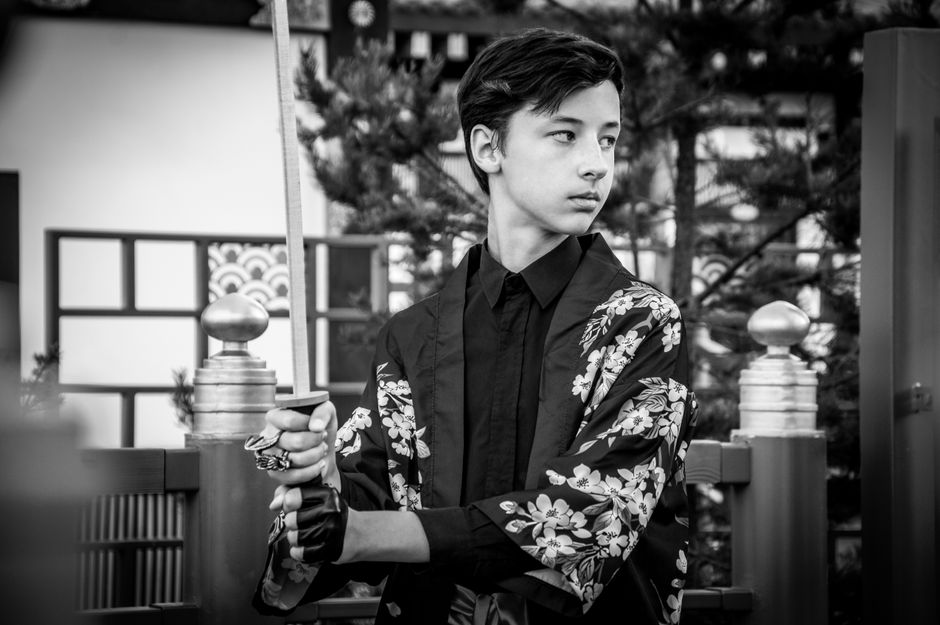
Indoor Defense: Navigating Narrow Corridors
In a fifty-centimeter-wide corridor, a katana user would struggle to swing the blade without hitting walls. The wakizashi, with its shorter blade, allowed a samurai to execute thrusts and short slashes without obstruction. Training manuals from the Tenshin Shoden Katori Shinto-ryu include specific kata for corridor combat, emphasizing the wakizashi's role in turning tight spaces into an advantage. A samurai could defend a doorframe by using the wakizashi's tip to keep an attacker at bay while protecting his own body behind the shorter blade. When this becomes a priority, wakizashi for sale can make a real difference to your results.
The Wakizashi as a Last-Ditch Sidearm
Should a samurai lose or break his katana, the wakizashi became his primary weapon. The shorter blade was also easier to maintain in dire situations—less likely to catch on brush or armor. In the chaos of a battlefield rout, many samurai fell back on their wakizashi for survival. The weapon was also used for the grim duty of seppuku (ritual suicide), a practice that demanded a blade with enough length to perform the act cleanly. The wakizashi's construction, with a sharp point and stable tang, ensured it could serve this purpose reliably.
- In a crowded melee where allies were close, the wakizashi minimized the risk of accidentally striking a comrade.
- While dueling inside a tea house or residence, the katana could not be drawn at all; the wakizashi was the only option.
- When fighting uphill or through dense forest, the shorter blade did not snag on branches or vegetation.
The Wakizashi as a Status Symbol and Ceremonial Sword
As one Edo-period treatise noted, "The wakizashi is the sword that guards the threshold of the house and the honor of the samurai."
Forging and Craftsmanship: What Makes a Traditional Samurai Wakizashi Distinct
| Attribute | Katana | Wakizashi |
|---|---|---|
| Blade Length | 70–80 cm (27–31 in) | 30–60 cm (12–24 in) |
| Weight | 1.0–1.5 kg | 0.5–0.7 kg |
| Typical Use | Open-field combat, cavalry | Close quarters, indoor, backup |
| Forging Signature | Often signed by smith | Frequently unsigned or attributed |
| Mounting Style | Katana koshirae (long hilt, large tsuba) | Wakizashi koshirae (shorter hilt, suitable for wear) |
- Inspect the nakago for file marks (yasurime) and patina that indicate age.
- Check the blade's curvature and tip shape (kissaki) for consistency with the period.
- Assess the hamon for clarity and activity, noting any irregularities that suggest later polishing.
- Verify the mounting's condition, including the tsuba, fuchi, and kashira, for wear consistent with use.
- Consult a professional authentication service if the blade carries a famous signature or unusual features.
Frequently Asked Questions
How does a wakizashi differ from a tanto?
A tanto is a knife-like blade under 12 inches (30 cm), designed primarily for stabbing and utility tasks. The wakizashi is longer, typically between 12 and 24 inches, and is a true sword capable of cutting and slashing. Samurai would use a tanto for self-defense in extreme close quarters, while the wakizashi served as a battlefield sidearm and backup to the katana.
Can a wakizashi be used effectively with a katana in dual-wielding?
Yes, but it requires dedicated training in the Nitojutsu style popularized by Miyamoto Musashi. In dual-wielding, the wakizashi is typically used for defense—blocking, trapping, and feinting—while the katana lands the primary attack. Without practice, coordinating two swords can leave a samurai vulnerable, so single-sword schools were more common historically.
What is the typical price range for an antique wakizashi?
Prices vary widely based on period, smith, condition, and provenance. A late-Edo period wakizashi in fair condition might sell for $2,000–$5,000, while a finely forged wakizashi from a renowned school like Bizen Osafune can exceed $20,000. Modern reproductions of traditional wakizashi are also available and range from $300 to $1,500 for quality pieces.
Is it legal to own a wakizashi in the United States?
Generally yes, as wakizashi are classified as antique swords or modern reproductions depending on age. However, some states and municipalities have restrictions on blade length (e.g., over a certain inch limit) or require permits for concealed carry. Importation from Japan may also face paperwork if the blade is considered a cultural property. Always check local laws before purchasing.
How should I care for a traditional wakizashi?
Keep the blade lightly oiled with choji oil (clove oil) or a high-quality machine oil to prevent rust. Avoid touching the blade with bare hands—finger oils can cause corrosion. Store the wakizashi in a shirasaya (plain wooden scabbard) or its koshirae mountings, away from humidity and extreme temperatures. For traditional polish, have the sword professionally polished every 5–10 years depending on usage. Regular dusting and inspection of the habaki (blade collar) are also recommended.

No comments:
Post a Comment